

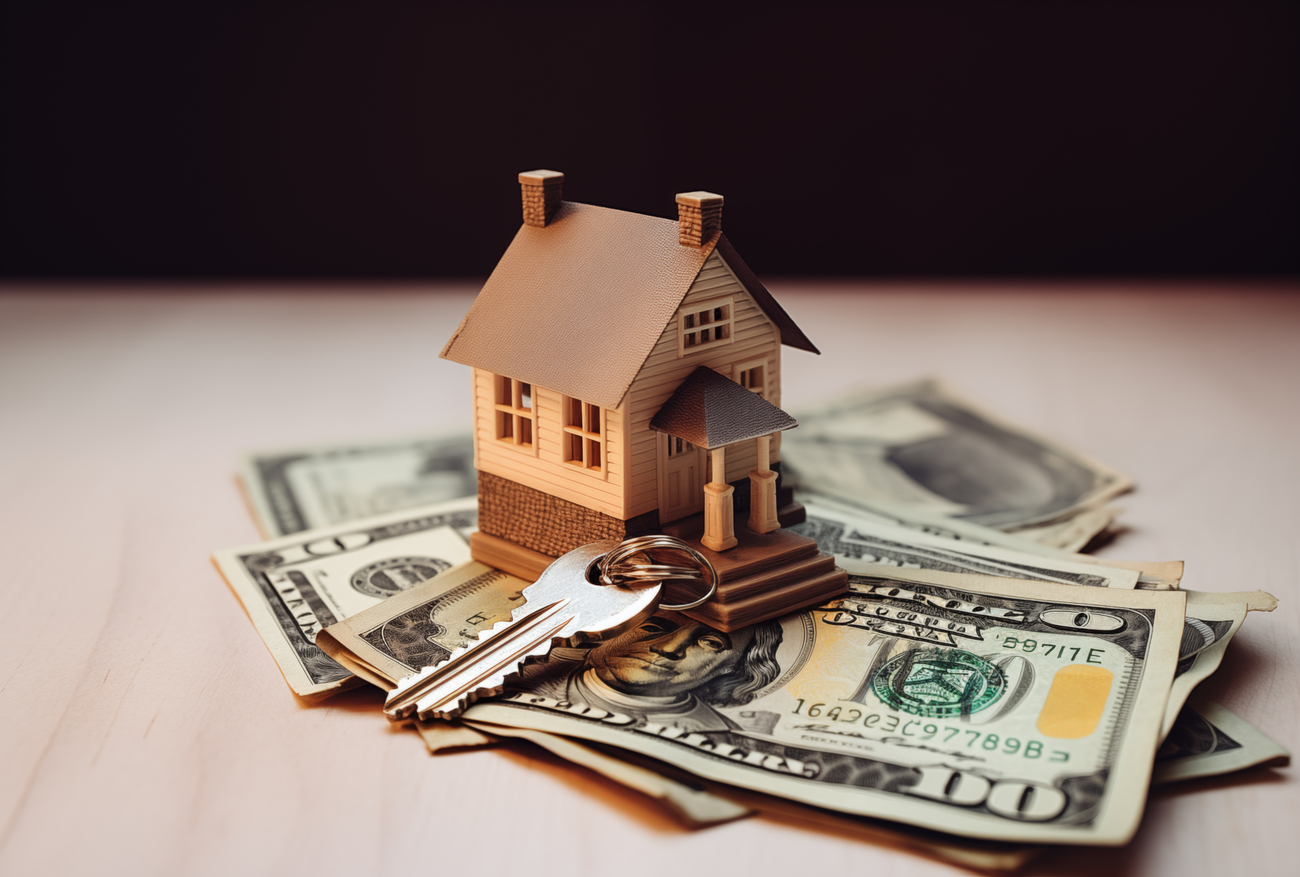
Why Housing Prices Don’t Fall Even When Many People Can’t Afford to Buy
For years, people have been asking the same question: If many can’t afford a home, why don’t prices go down? It seems logical low affordability should lead to lower demand, and lower demand should push prices downward but property markets don’t work like typical markets. Below are the real reasons why housing prices remain stubbornly high even when buyers are struggling.
1. Housing Supply Is Extremely Inelastic
Building new homes takes years, not weeks. Land is limited, especially in urban centers. Permits, zoning rules, and bureaucracy slow construction. Developers build strategically, not necessarily to meet real demand. Even if demand drops temporarily, the supply cannot adjust quickly enough to lower prices.
2. Sellers Are Reluctant to Lower Prices (“Sticky Prices”)
Homeowners don’t treat their property like a commodity. They are emotionally and financially attached. Many sellers would rather: delay selling, rent out the property, or wait for better economic conditions than accept a lower price. This “price stickiness” prevents natural downward adjustments.
3. Developers Will Stop Building Before They Cut Prices
For developers, lowering prices means shrinking profit margins and potentially losing money. Instead of slashing prices, they will: stop launching new projects, slow construction, reduce unit sizes, add incentives (free furniture, discounts, “Subsidi DP”) instead of lowering the official list price. This makes it look like the market is still stable.
4. Investors and Speculators Create Artificial Demand
In many countries, especially growing economies, real estate is seen as: a hedge against inflation, a long-term wealth store, a safer investment than stocks, investors buy homes not to live in them, but to: flip, rent, hold as an asset. This increases demand even when genuine homebuyers struggle.
5. Cheap Credit Can Keep Prices High
Even when incomes don’t rise, low interest rates or aggressive mortgage incentives can keep buyers in the market. Banks, competing for market share, often: extend loan tenors (15→20→30 years), lower down payments, offer fixed low introductory rates, these practices maintain artificial demand and keep prices elevated.
6. Construction Costs Rarely Go Down
Developers face rising costs year after year: materials (steel, cement, glass), imported components, labor wages, land acquisition, even if demand slows, construction costs act as a “floor” that prevents significant price drops.
7. Urbanization Keeps Demand Strong
People continue moving to cities for work and education but land does not grow. This simple imbalance growing population vs limited land keeps housing prices elevated.
8. Government Policies Often Support Prices, Not Reduce Them
Governments usually don’t want property prices to fall because: housing is tied to banking stability. Property tax revenue is significant. Falling prices can trigger economic panic. As a result, many policies (subsidized mortgages, tax breaks, developer incentives) stabilize or raise prices rather than lower them.
9. The Rental Market Supports High Valuations
If sellers can rent out their property at a decent yield, they have no pressure to sell at a discount. This acts as a safety net that prevents crashing.
Prices Don’t Drop Because the Market Is Engineered to Stay Up. Home prices aren’t purely demand-driven. They’re shaped by: limited supply, developer behavior, investment activity, high construction costs, government incentives and urban migration. So, even when affordability collapses, prices rarely fall at least not significantly or for long.

Date: July 01, 2026
When adults search for a new home, they often focus on practical considerations location, price, square footage, or investment value. While these factors are undoubtedly important, children experience a home in a very different way. To them, a house isn't measured by the number of bedrooms or the si ...

Date: July 02, 2026
When people search for a new home, it's easy to be drawn to larger houses with spacious living rooms, extra bedrooms, or beautiful backyards. While size can certainly add comfort, one factor often proves to be far more valuable in the long run: the safety of the neighborhood. A home is not just the ...

Date: July 03, 2026
Choosing a family home is about more than finding enough bedrooms or a convenient location. Parents often wonder whether raising children in an apartment or a house provides the best environment for their growth and happiness. The truth is that both options offer unique advantages, and the ideal cho ...

Date: June 26, 2026
In the real estate industry, closing a deal is often seen as the ultimate goal. However, the most successful real estate professionals understand that the real journey begins after the transaction is complete. Building long-term relationships with clients not only creates repeat business but also ge ...

Date: June 27, 2026
Real estate has long been considered one of the most reliable investment vehicles for building wealth. However, not every property will increase in value at the same rate. Successful investors know that identifying properties with strong appreciation potential requires research, market awareness, an ...
Ala Land Bali — a magical place for the real you
BECOME PART OF THE HISTORY Share your contact details, and our manager will reach out
with full project details