

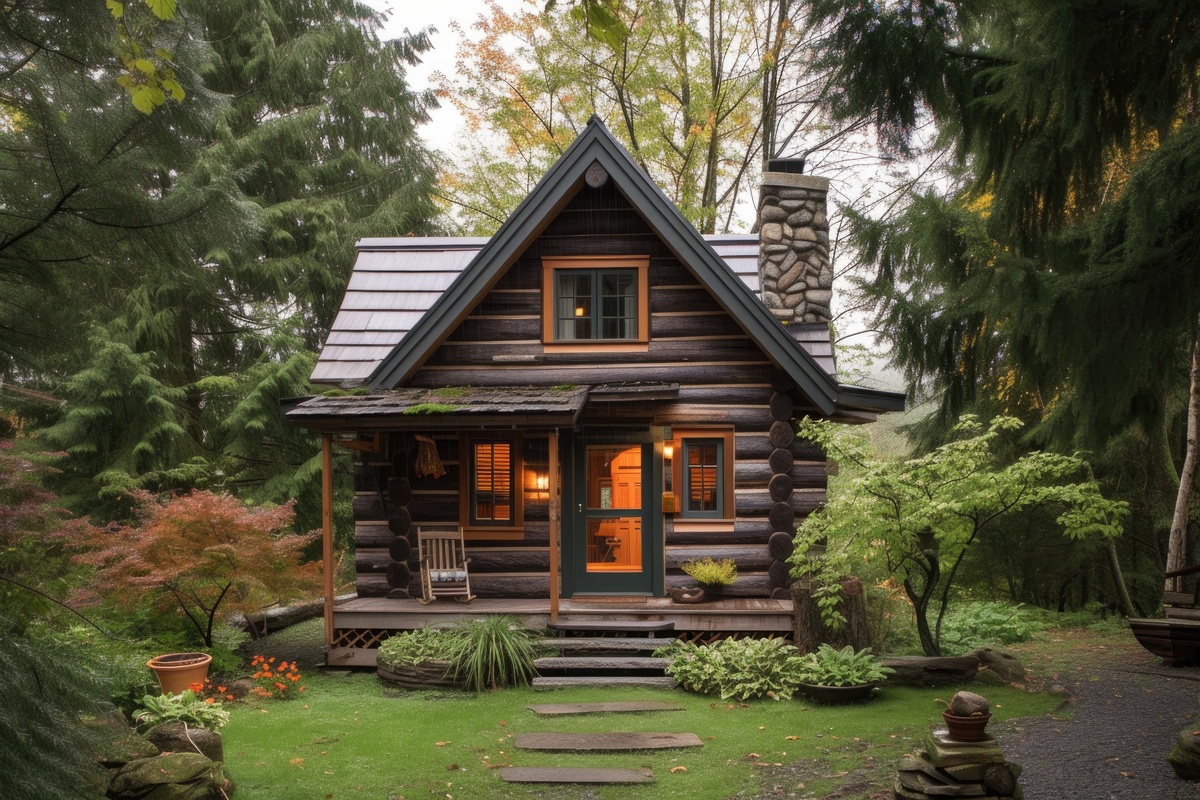
Why Homes Are Getting Smaller: The Rise of Compact Living
In recent years, a noticeable shift has occurred in the way people design and inhabit their living spaces. Across cities and even suburban areas, homes are becoming smaller. This trend, often referred to as compact living, reflects changing economic realities, evolving lifestyles, and growing environmental awareness.
One of the primary drivers behind smaller homes is the rising cost of housing. In many urban areas, land prices and construction costs have increased significantly, making large homes less affordable for the average buyer. As a result, people are opting for smaller, more efficient spaces that better fit their budgets. Compact homes allow individuals and families to live in desirable locations without the financial burden of maintaining a large property.
Urbanization also plays a major role. As more people move to cities in search of jobs and opportunities, available space becomes limited. Developers respond by building smaller apartments and houses to accommodate growing populations. In densely populated cities, compact living is often not just a choice, but a necessity.
Another important factor is the shift in lifestyle and priorities. Many people, especially younger generations, are choosing minimalism over materialism. Instead of accumulating possessions, they value experiences, mobility, and flexibility. Smaller homes encourage a more intentional way of living, where every item has a purpose and clutter is minimized. This lifestyle can lead to reduced stress and a greater sense of control over one’s environment.
Environmental concerns are also contributing to the trend. Smaller homes generally consume less energy for heating, cooling, and lighting. They require fewer materials to build and maintain, which reduces their overall environmental footprint. As awareness of climate change grows, more people are choosing compact living as a way to live more sustainably.
Technological advancements have made compact living more practical and comfortable. Smart home devices, multifunctional furniture, and innovative storage solutions allow small spaces to feel larger and more efficient. For example, foldable beds, extendable tables, and built-in storage help maximize every square meter.
However, compact living is not without its challenges. Limited space can lead to a lack of privacy, especially for families. It may also require significant lifestyle adjustments, such as downsizing belongings and adopting new organizational habits. Despite these challenges, many people find that the benefits outweigh the drawbacks.
In conclusion, the trend toward smaller homes reflects broader changes in society. Economic pressures, urban growth, shifting values, and environmental awareness all contribute to the rise of compact living. As cities continue to expand and lifestyles evolve, compact homes are likely to become an increasingly common and practical solution for modern living.

Date: July 01, 2026
When adults search for a new home, they often focus on practical considerations location, price, square footage, or investment value. While these factors are undoubtedly important, children experience a home in a very different way. To them, a house isn't measured by the number of bedrooms or the si ...

Date: July 02, 2026
When people search for a new home, it's easy to be drawn to larger houses with spacious living rooms, extra bedrooms, or beautiful backyards. While size can certainly add comfort, one factor often proves to be far more valuable in the long run: the safety of the neighborhood. A home is not just the ...

Date: July 03, 2026
Choosing a family home is about more than finding enough bedrooms or a convenient location. Parents often wonder whether raising children in an apartment or a house provides the best environment for their growth and happiness. The truth is that both options offer unique advantages, and the ideal cho ...

Date: June 26, 2026
In the real estate industry, closing a deal is often seen as the ultimate goal. However, the most successful real estate professionals understand that the real journey begins after the transaction is complete. Building long-term relationships with clients not only creates repeat business but also ge ...

Date: June 27, 2026
Real estate has long been considered one of the most reliable investment vehicles for building wealth. However, not every property will increase in value at the same rate. Successful investors know that identifying properties with strong appreciation potential requires research, market awareness, an ...
Ala Land Bali — a magical place for the real you
BECOME PART OF THE HISTORY Share your contact details, and our manager will reach out
with full project details