

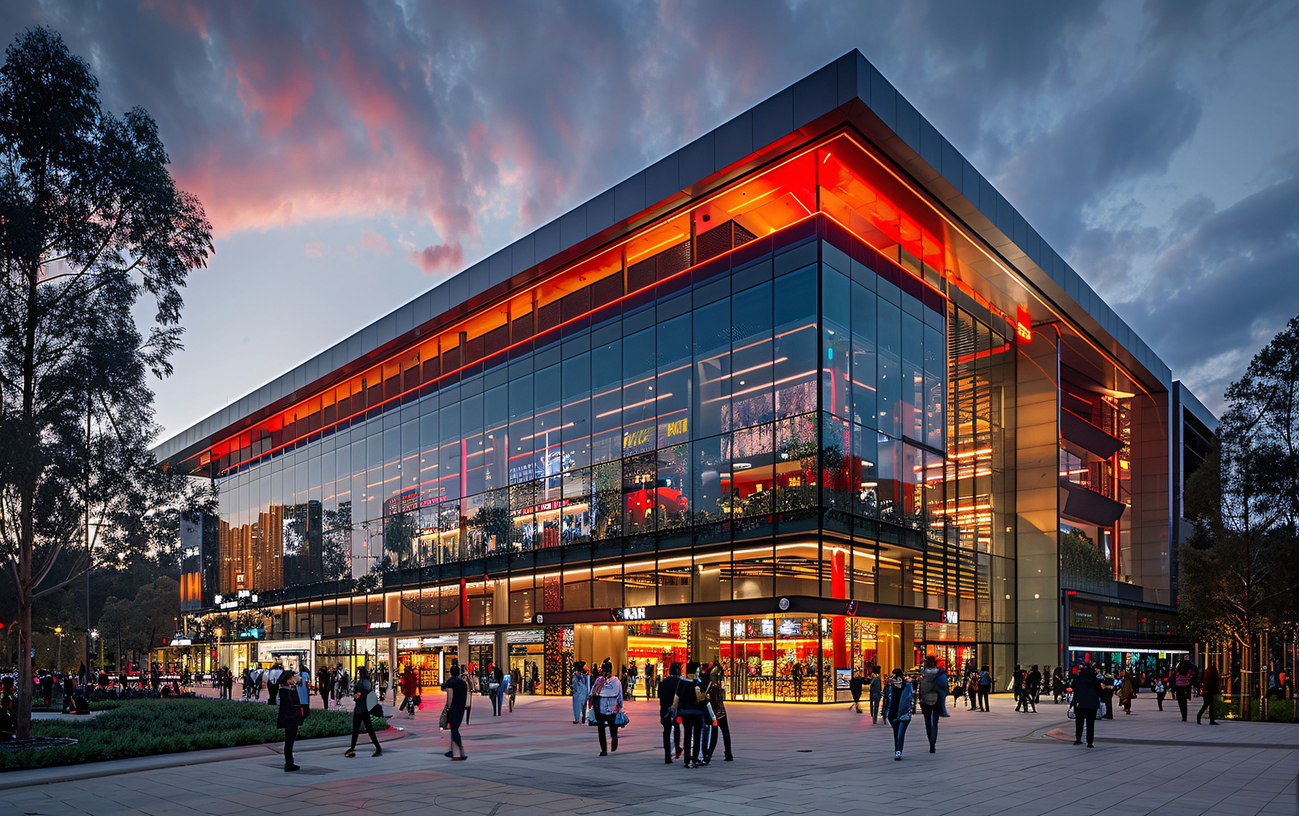
Tips for Designing a Cinematic-Style Mall
Creating a mall with a cinematic style goes beyond traditional commercial design. It’s about transforming shopping into an immersive experience, where architecture, lighting, and ambiance come together to make visitors feel like they’ve stepped onto a movie set. This concept blends entertainment, retail, and visual storytelling, offering a unique edge in today’s competitive retail landscape. Below are some essential tips for bringing this vision to life.
1. Emphasize Architectural Drama
Cinematic spaces thrive on scale and drama. Incorporate grand entrances, soaring ceilings, curved walkways, and statement staircases to create memorable first impressions. Consider symmetrical layouts or iconic focal points, much like scenes framed in a film.
2. Master the Art of Lighting
Lighting sets the tone of a cinematic atmosphere. Use layered lighting systems ambient, accent, and decorative to evoke moods similar to a theater or film set. Dynamic lighting that shifts throughout the day can enhance the sense of storytelling inside the mall.
3. Incorporate Thematic Zones
Think of your mall as a series of “movie scenes.” Each area can represent a different theme or storyline, whether inspired by futuristic cities, natural landscapes, or historic architecture. This allows visitors to feel like they’re moving through multiple worlds within a single space.
4. Use Technology for Immersion
Interactive screens, LED walls, projection mapping, and AR/VR installations can heighten the cinematic vibe. These features allow for dynamic content seasonal backdrops, live events, or even interactive storytelling that transforms the mall into a living stage.
5. Focus on Sound Design
Just like in films, sound is crucial. Incorporate soundscapes subtle background music, nature sounds, or themed audio zones to reinforce the visual narrative and keep visitors engaged in the experience.
6. Blend Retail with Entertainment
A cinematic-style mall should offer more than shopping. Add theaters, art installations, live performance stages, or themed cafés to create a lifestyle destination where people stay longer and connect emotionally with the space.
7. Highlight Material and Texture Choices
Cinematic design often thrives on contrast. Use a mix of luxurious textures (marble, glass, velvet) with industrial or raw materials (concrete, steel, wood) to create visually striking environments that resemble movie sets.
8. Curate Signature Photo Spots
Modern visitors love Instagram-worthy spaces. Incorporate iconic design features grand chandeliers, dramatic corridors, or artistic sculptures that double as backdrops for photography, making the mall a social media attraction.
Designing a cinematic-style mall is about storytelling through space. By blending architecture, lighting, technology, and entertainment, developers can create an environment that feels less like a mall and more like an epic stage for everyday life. This approach not only elevates the visitor experience but also ensures the mall remains a cultural and social landmark in the long run.
Date: July 01, 2026
When adults search for a new home, they often focus on practical considerations location, price, square footage, or investment value. While these factors are undoubtedly important, children experience a home in a very different way. To them, a house isn't measured by the number of bedrooms or the si ...

Date: July 02, 2026
When people search for a new home, it's easy to be drawn to larger houses with spacious living rooms, extra bedrooms, or beautiful backyards. While size can certainly add comfort, one factor often proves to be far more valuable in the long run: the safety of the neighborhood. A home is not just the ...

Date: July 03, 2026
Choosing a family home is about more than finding enough bedrooms or a convenient location. Parents often wonder whether raising children in an apartment or a house provides the best environment for their growth and happiness. The truth is that both options offer unique advantages, and the ideal cho ...

Date: June 26, 2026
In the real estate industry, closing a deal is often seen as the ultimate goal. However, the most successful real estate professionals understand that the real journey begins after the transaction is complete. Building long-term relationships with clients not only creates repeat business but also ge ...

Date: June 27, 2026
Real estate has long been considered one of the most reliable investment vehicles for building wealth. However, not every property will increase in value at the same rate. Successful investors know that identifying properties with strong appreciation potential requires research, market awareness, an ...
Ala Land Bali — a magical place for the real you
BECOME PART OF THE HISTORY Share your contact details, and our manager will reach out
with full project details