

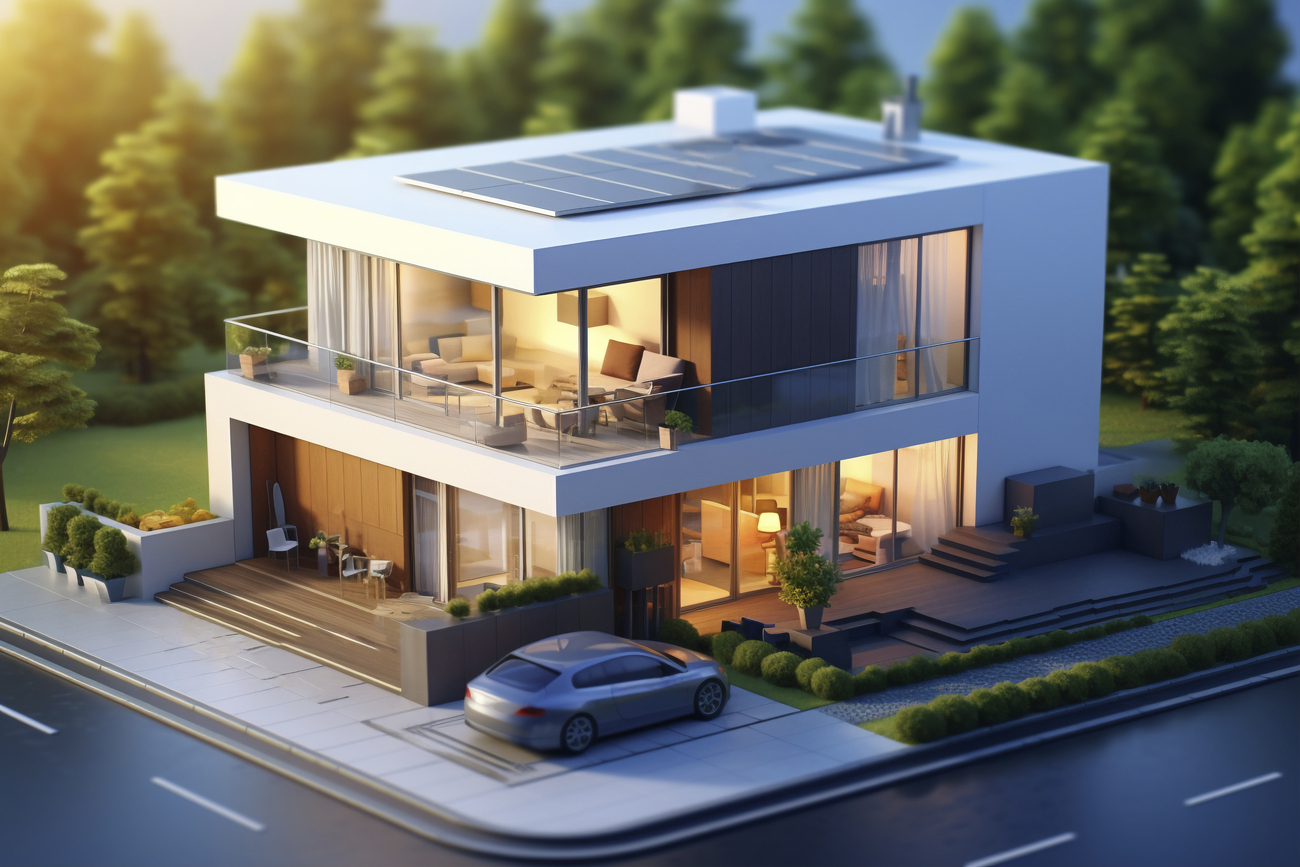
The Evolution of Property Buyer Preferences in 2026
The property market in 2026 reflects a major shift in buyer behavior, driven by rapid technological advancement, economic uncertainty, environmental awareness, and changing lifestyle expectations after years of hybrid work adoption. Developers and real estate stakeholders are now adapting to a new era where properties are evaluated not only by location and price, but also by flexibility, sustainability, and digital integration.
1. Smart and Connected Homes Become a Standard, not a Luxury
In 2026, buyers increasingly expect smart home ecosystems as part of the core property package. Automated security systems, AI-powered energy optimization, biometric access, and voice-controlled utilities are no longer premium add-ons. Property seekers view seamless connectivity as essential, particularly for millennials and Gen Z buyers who prioritize convenience and personalization. Furthermore, Internet reliability and 5G/6G infrastructure coverage have emerged as critical decision-making factors. Buyers demand homes that can support heavy bandwidth usage, real-time virtual collaboration, and smart appliances simultaneously without disruption.
2. Flexible Spaces to Support Hybrid Lifestyles
The rise of long-term hybrid work models has reshaped interior preferences. Instead of rigid layouts, buyers want adaptable spaces rooms that can function as home offices, guest rooms, workout areas, or creative studios depending on need. Movable partitions, convertible furniture, and multipurpose zones are highly desirable. A notable trend is the decline of oversized formal spaces like traditional dining rooms or guest lounges. Buyers prefer functional square footage over decorative rooms that remain unused.
3. Sustainability and Wellness Features Influence Value Perception
Environmental consciousness has become a defining influence on property demand. Buyers now actively seek developments with solar integration, rainwater harvesting, waste recycling systems, low-emission building materials, and green certifications such as LEED or EDGE. Wellness-oriented facilities also carry greater weight. Access to natural lighting, improved air filtration, noise control design, and community green spaces are considered investment-worthy. Properties that promote healthier living environments are perceived to have stronger long-term value and resale potential.
4. Suburban and Satellite City Demand Continues to Grow
While urban centers remain attractive, more buyers are shifting toward suburban or satellite city developments. The key drivers include lower price-to-space ratios, cleaner environments, and reduced congestion. However, modern suburban buyers are not sacrificing accessibility they expect efficient transit links, integrated township ecosystems, and proximity to essential services like schools, medical centers, and retail hubs. The ideal property in 2026 is no longer in the heart of the city, but within a well-planned micro-city.
5. Digital Property Tours Dominate Early-Stage Decision Making
Physical property visits have significantly declined during initial buyer screening. Virtual reality (VR) property tours, AI-generated interior customization previews, and interactive 3D walkthroughs now dominate early decision stages. Buyers shortlist homes based on digital experience first before scheduling an on-site visit. This trend pushes developers to invest heavily in digital marketing and immersive property presentation platforms to remain competitive.
6. Affordability with Financial Flexibility
Economic instability and fluctuating interest rates in several regions have made financial flexibility a top priority. Buyers are attracted to developers offering customizable payment structures, rent-to-own schemes, interest-subsidized mortgages, and longer installment periods. Transparency in pricing breakdowns and long-term cost simulations also strongly influence trust and purchase decisions.
7. Community-Centered Living Gains Importance
Buyers increasingly seek more than just a home they want a community. Shared co-working hubs, communal kitchens, pet parks, social clubs, and neighborhood engagement programs contribute to buyer interest, especially among younger professionals and small families. Properties that foster meaningful social interaction are considered better lifestyle investments.
The 2026 property buyer is digitally fluent, environmentally conscious, financially cautious, and lifestyle driven. The demand for connected homes, flexible interiors, sustainable design, and community-focused developments signals a new benchmark for real estate innovation. Developers who align with these evolving expectations will not only attract buyers, but also shape the future landscape of residential living.

Date: July 01, 2026
When adults search for a new home, they often focus on practical considerations location, price, square footage, or investment value. While these factors are undoubtedly important, children experience a home in a very different way. To them, a house isn't measured by the number of bedrooms or the si ...

Date: July 02, 2026
When people search for a new home, it's easy to be drawn to larger houses with spacious living rooms, extra bedrooms, or beautiful backyards. While size can certainly add comfort, one factor often proves to be far more valuable in the long run: the safety of the neighborhood. A home is not just the ...

Date: July 03, 2026
Choosing a family home is about more than finding enough bedrooms or a convenient location. Parents often wonder whether raising children in an apartment or a house provides the best environment for their growth and happiness. The truth is that both options offer unique advantages, and the ideal cho ...

Date: June 26, 2026
In the real estate industry, closing a deal is often seen as the ultimate goal. However, the most successful real estate professionals understand that the real journey begins after the transaction is complete. Building long-term relationships with clients not only creates repeat business but also ge ...

Date: June 27, 2026
Real estate has long been considered one of the most reliable investment vehicles for building wealth. However, not every property will increase in value at the same rate. Successful investors know that identifying properties with strong appreciation potential requires research, market awareness, an ...
Ala Land Bali — a magical place for the real you
BECOME PART OF THE HISTORY Share your contact details, and our manager will reach out
with full project details