

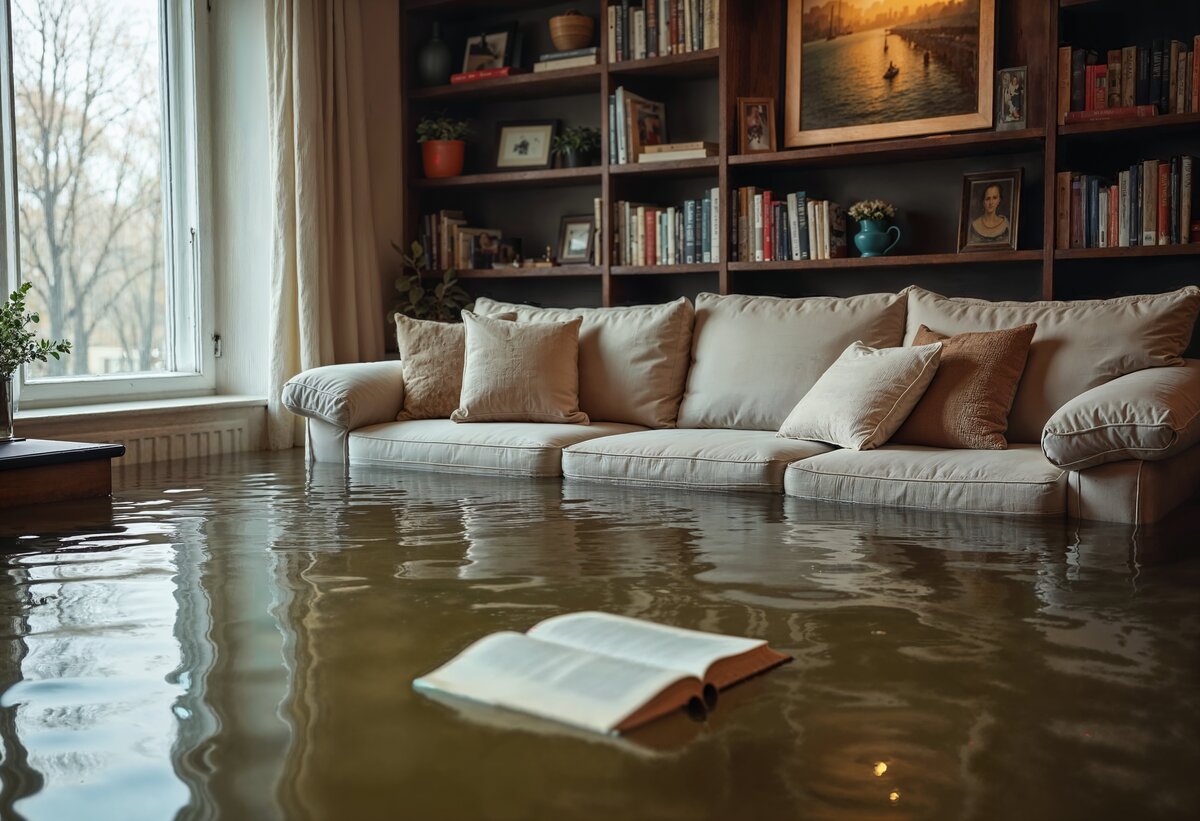
Smart Tips for Building a House in a Flood-Prone Area
Building a home in a flood-prone area requires careful planning and strategic design to ensure safety, durability, and long-term comfort. While floods cannot always be avoided, the right construction methods can significantly reduce risks and damage. Here are essential tips to guide you when building a house in an area vulnerable to flooding.
1. Start With a Thorough Site Assessment
Before construction begins, conduct a professional flood risk assessment. This includes: the history of flooding in the area, water flow patterns, soil conditions and drainage capacity, the elevation of the land. Understanding these factors helps you design a structure that is responsive to the environment rather than vulnerable to it.
2. Elevate the Building Structure
Elevation is the most effective way to protect a home from flood damage. You can: build the house on stilts or columns, raise the foundation above the Base Flood Elevation (BFE), use fill soil to increase ground height, a higher structure keeps your living area above floodwaters and minimizes structural damage.
3. Choose Flood-Resistant Materials
Use materials that can withstand prolonged water exposure, such as: concrete, reinforced cement blocks, and metal framing. Water-resistant insulation (closed-cell foam), ceramic tiles, stone flooring, or treated wood, and waterproof wall finishes. These materials reduce repair costs and prevent mold growth after flooding.
4. Improve Drainage Around the Property
Proper drainage prevents water from pooling around your home. You can install: French drains or gravel trenches, rain gardens, sloped landscaping to direct water away from the house, gutters and downspouts that channel water efficiently, a good drainage system helps maintain soil stability and protects your foundation.
5. Design a Strong Foundation
For flood-prone areas, the foundation should be: deep enough to resist soil erosion, reinforced with steel bars, made from high-strength concrete, designed with proper openings (flood vents) to allow water to flow through without damaging the structure and a well-engineered foundation improves overall safety.
6. Install Flood Barriers and Waterproofing
Add protective features such as: flood gates or removable barriers, waterproof membranes on walls and floors, sealed doors and windows, backflow valves to prevent sewage from flowing back into the house. These features can prevent water intrusion during moderate flooding.
7. Plan the House Layout Strategically
Organize your home so that vulnerable areas are minimized: place living spaces, bedrooms, and electrical panels on higher floors. Use the ground floor for parking or storage. Keep essential utilities elevated. This reduces damage to your essential living areas.
8. Use Raised Electrical and Mechanical Systems
Floodwaters can be dangerous when they reach electrical installations. Elevate: sockets, switches, and wiring. HVAC units, water heaters and backup generators. Raising these systems increases safety and reduces repair needs.
9. Prepare an Emergency Flood Plan
Even with good construction, emergencies can still happen. Prepare by: having a clear evacuation route, storing emergency kits, installing flood alarms, purchasing flood insurance and being ready can save lives and minimize loss.
10. Work With Experienced Professionals
Hire architects and contractors who have experience designing flood-resistant structures. They can help ensure your home meets safety standards and local regulations.
Building a house in a flood-prone area is challenging but absolutely manageable with the right strategies. By elevating the structure, using durable materials, improving drainage, and planning for emergencies, you can create a safe and resilient home that withstands the challenges of nature.

Date: July 01, 2026
When adults search for a new home, they often focus on practical considerations location, price, square footage, or investment value. While these factors are undoubtedly important, children experience a home in a very different way. To them, a house isn't measured by the number of bedrooms or the si ...

Date: July 02, 2026
When people search for a new home, it's easy to be drawn to larger houses with spacious living rooms, extra bedrooms, or beautiful backyards. While size can certainly add comfort, one factor often proves to be far more valuable in the long run: the safety of the neighborhood. A home is not just the ...

Date: July 03, 2026
Choosing a family home is about more than finding enough bedrooms or a convenient location. Parents often wonder whether raising children in an apartment or a house provides the best environment for their growth and happiness. The truth is that both options offer unique advantages, and the ideal cho ...

Date: June 26, 2026
In the real estate industry, closing a deal is often seen as the ultimate goal. However, the most successful real estate professionals understand that the real journey begins after the transaction is complete. Building long-term relationships with clients not only creates repeat business but also ge ...

Date: June 27, 2026
Real estate has long been considered one of the most reliable investment vehicles for building wealth. However, not every property will increase in value at the same rate. Successful investors know that identifying properties with strong appreciation potential requires research, market awareness, an ...
Ala Land Bali — a magical place for the real you
BECOME PART OF THE HISTORY Share your contact details, and our manager will reach out
with full project details