

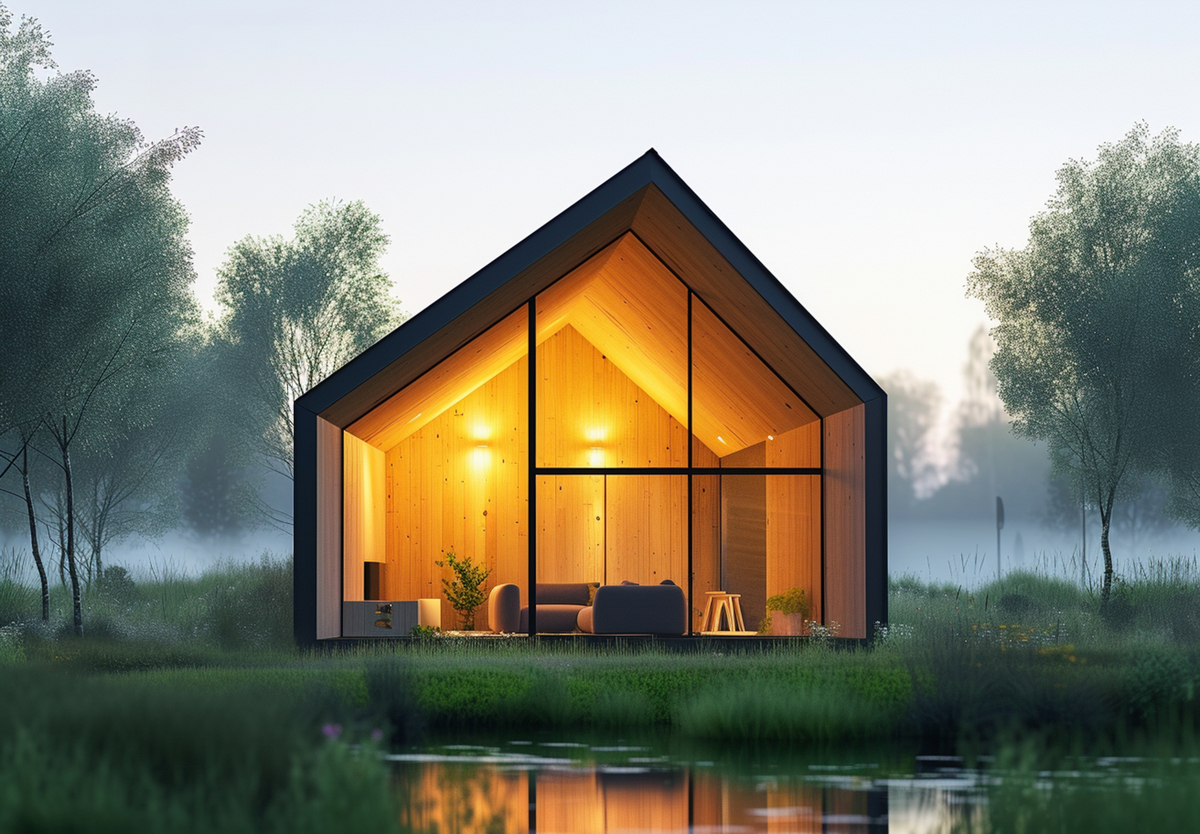
Small Minimalist House Designs Under 100 m²
Small houses are becoming increasingly popular as people seek more efficient, affordable, and sustainable living spaces. A small minimalist house under 100 square meters (m²) offers a smart balance between functionality and simplicity. With thoughtful planning and modern design principles, these compact homes can feel spacious, comfortable, and stylish.
The Concept of Minimalist Living
Minimalism focuses on simplicity, functionality, and reducing unnecessary elements. In architecture, minimalist houses emphasize clean lines, open spaces, natural lighting, and neutral color palettes. Instead of filling a home with excessive furniture or decoration, minimalist design highlights only the essentials.
For homes under 100 m², this concept is especially useful. By eliminating clutter and optimizing space, homeowners can create a comfortable living environment without needing a large area.
Efficient Space Planning
One of the most important aspects of small house design is efficient space planning. Every square meter must be used effectively. Many minimalist houses combine several functions into one open area. For example, the living room, dining area, and kitchen may share a single open-plan space.
Multi-functional furniture also plays a key role. Foldable tables, sofa beds, wall-mounted shelves, and built-in storage help maximize the use of limited space. Smart storage solutions, such as under-stair drawers or hidden cabinets, can keep the house organized without making it feel crowded.
Natural Light and Ventilation
Natural lighting is an essential element in small minimalist homes. Large windows, sliding glass doors, and skylights allow sunlight to enter the house, making the interior appear larger and brighter. Good ventilation also helps maintain a comfortable indoor climate while reducing the need for artificial cooling.
In tropical climates, designers often include cross-ventilation systems, shaded terraces, and roof overhangs to improve airflow and reduce heat inside the house.
Simple and Functional Interior Design
Minimalist interiors typically use neutral colors such as white, beige, gray, or soft earth tones. These colors create a calm atmosphere and visually expand the space. Furniture is usually simple, modern, and functional.
Decorations are kept minimal but meaningful. A few plants, simple artwork, or natural materials like wood and stone can add warmth and character without overwhelming the room.
Smart Layout Options Under 100 m²
There are several popular layout ideas for small minimalist houses:
One-bedroom compact home (40–60 m²): Ideal for singles or couples. It usually includes a living area, kitchen, bedroom, and bathroom.
Two-bedroom small family house (60–80 m²): Suitable for small families with efficient shared spaces.
Two-story minimalist house (80–100 m²): By building vertically, homeowners can create more rooms while keeping the land footprint small.
Vertical space can also be used creatively with mezzanine floors or loft bedrooms, which add functionality without increasing the building footprint.
Sustainability and Cost Efficiency
Small minimalist homes are generally more cost-efficient than large houses. They require fewer building materials, lower energy consumption, and less maintenance. Many designs also incorporate eco-friendly features such as energy-efficient lighting, rainwater harvesting, and solar panels. By focusing on simplicity and sustainability, minimalist houses under 100 m² offer a practical solution for modern urban living.
Small minimalist house designs under 100 m² demonstrate that a comfortable home does not require a large space. Through efficient planning, functional furniture, natural lighting, and simple aesthetics, these houses can provide a modern and cozy living environment. As urban areas become more crowded and housing costs continue to rise, compact minimalist homes are likely to remain a popular choice for many people in the future.
Date: July 01, 2026
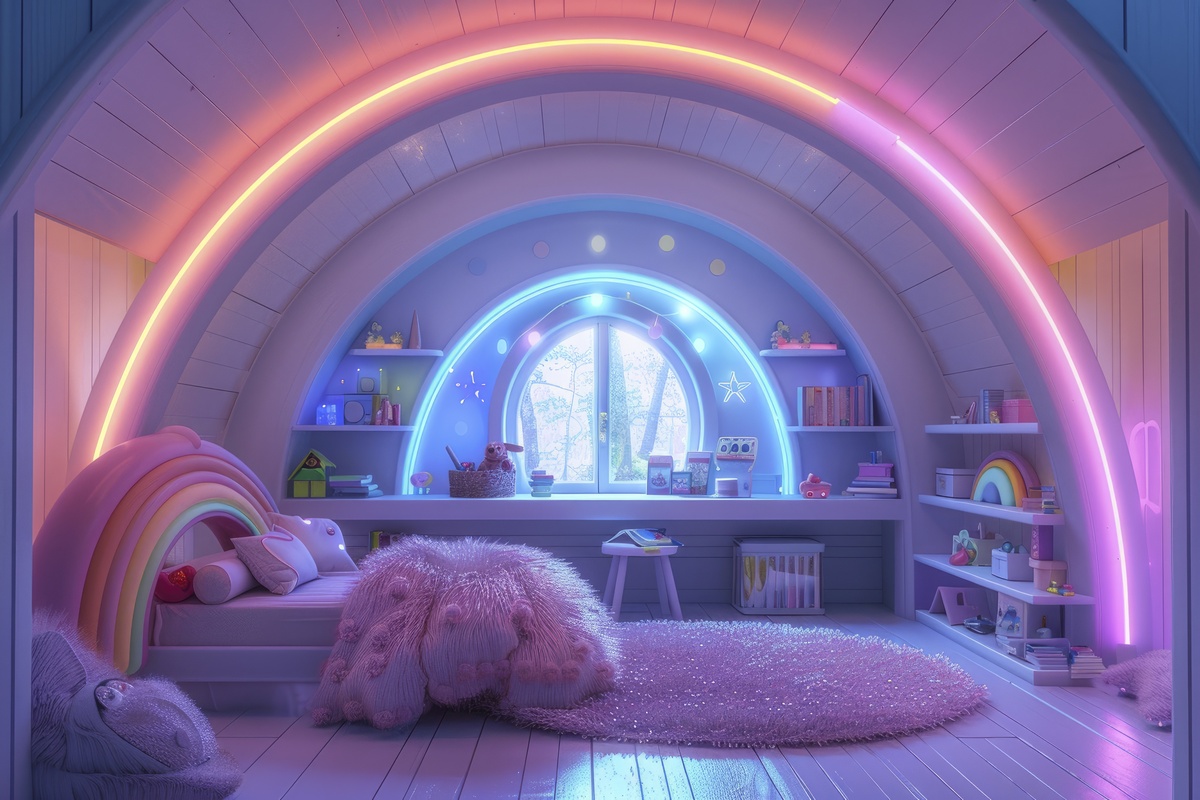
When adults search for a new home, they often focus on practical considerations location, price, square footage, or investment value. While these factors are undoubtedly important, children experience a home in a very different way. To them, a house isn't measured by the number of bedrooms or the si ...

Date: July 02, 2026
When people search for a new home, it's easy to be drawn to larger houses with spacious living rooms, extra bedrooms, or beautiful backyards. While size can certainly add comfort, one factor often proves to be far more valuable in the long run: the safety of the neighborhood. A home is not just the ...
Date: July 03, 2026
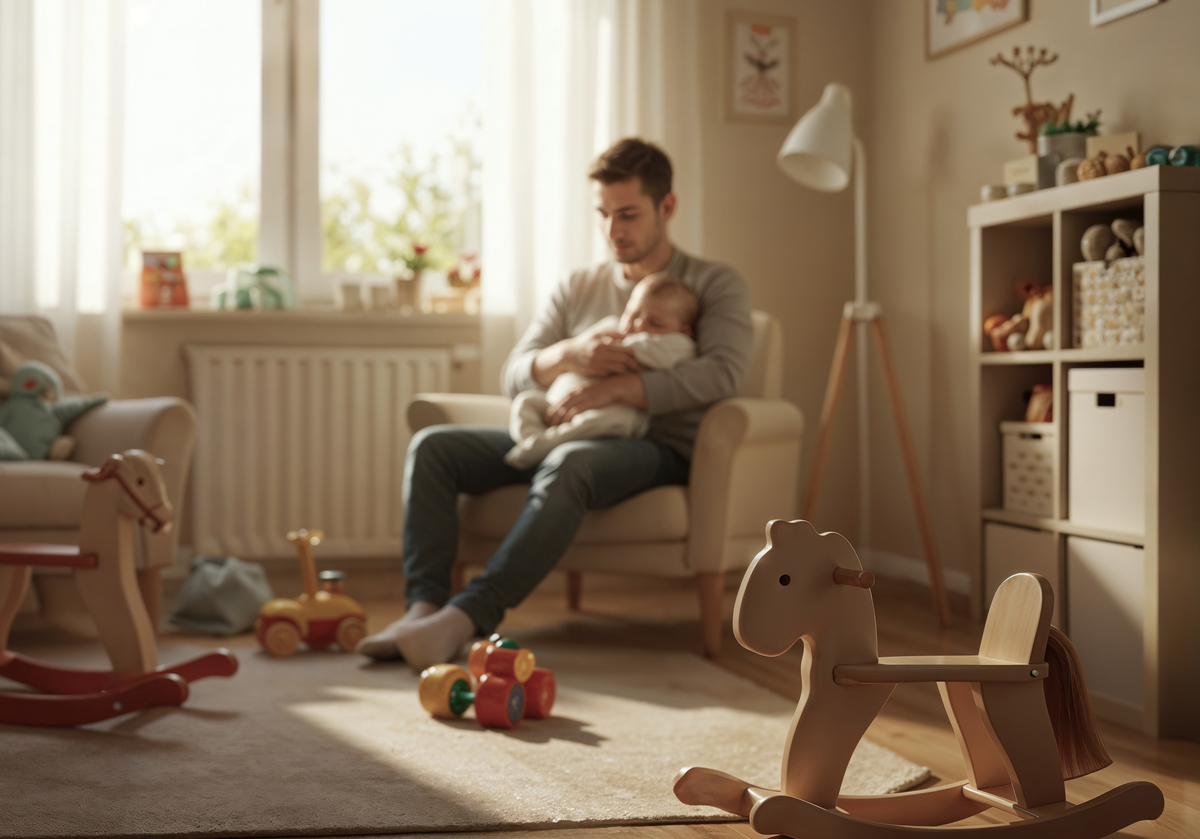
Choosing a family home is about more than finding enough bedrooms or a convenient location. Parents often wonder whether raising children in an apartment or a house provides the best environment for their growth and happiness. The truth is that both options offer unique advantages, and the ideal cho ...

Date: June 26, 2026
In the real estate industry, closing a deal is often seen as the ultimate goal. However, the most successful real estate professionals understand that the real journey begins after the transaction is complete. Building long-term relationships with clients not only creates repeat business but also ge ...
Date: June 27, 2026
Real estate has long been considered one of the most reliable investment vehicles for building wealth. However, not every property will increase in value at the same rate. Successful investors know that identifying properties with strong appreciation potential requires research, market awareness, an ...
Ala Land Bali — a magical place for the real you
BECOME PART OF THE HISTORY Share your contact details, and our manager will reach out
with full project details