

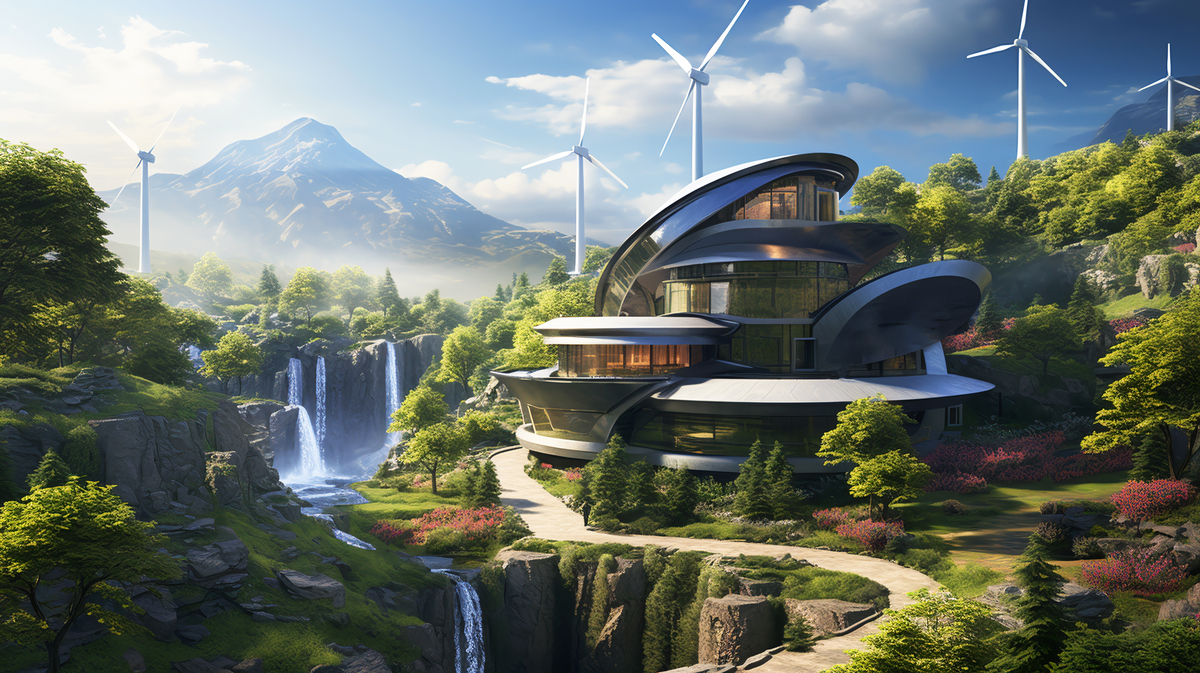
Net-Zero Energy Housing: From Dream to Necessity
For decades, net-zero energy housing (NZEH) was seen as an ambitious ideal an architectural experiment reserved for environmental enthusiasts and innovation showcases. Today, it is no longer just a dream. It has become a necessity driven by climate urgency, rising energy costs, and evolving expectations of sustainable living.
A net-zero energy home is designed to produce as much energy as it consumes over a year, typically through a combination of energy-efficient design and renewable energy systems such as solar panels, wind micro-turbines, or geothermal heating. The concept promises more than reduced electricity bills; it offers resilience, environmental responsibility, and long-term economic value.
The Shift from Vision to Demand
The world is facing accelerating climate change, with the building sector contributing nearly 40% of global carbon emissions when construction and operational energy use are combined. Traditional housing relies heavily on fossil-fuel-based electricity grids, inefficient insulation, and wasteful consumption patterns. As governments and industries push toward carbon-neutral targets, homes must follow the same trajectory.
What was once optional sustainability has now transformed into a critical response strategy. Extreme weather events, unpredictable grid stability, and increasing energy tariffs have made self-sustaining homes highly attractive not only environmentally, but practically.
Design Principles that Make It Possible
Achieving net-zero energy performance begins long before renewable technology is installed. It starts with smart architectural planning:
Passive design strategies: maximizing natural daylight and ventilation to reduce dependency on artificial lighting and air conditioning.
High-performance insulation: minimizing energy loss through walls, roofs, and windows.
Energy-efficient appliances: using low-power systems for daily home functions.
Smart energy management: integrating sensors and automation to optimize consumption.
Renewable systems then bridge the gap, most commonly through rooftop solar photovoltaic (PV) panels, supported by energy storage batteries to maintain supply beyond daylight hours.
Benefits Beyond Energy Savings
Net-zero energy homes provide:
Lower long-term operational costs – insulation and self-generated energy dramatically reduce bills.
Reduced carbon footprint – supporting global climate mitigation.
Energy independence – shielding households from fluctuating energy prices.
Improved indoor comfort – stable temperatures and cleaner air circulation.
Higher property value – sustainability certifications increasingly influence market prices.
Challenges That Must Be Overcome
Despite its promise, NZEH adoption still faces obstacles:
High initial investment for renewable systems and premium materials.
Lack of skilled professionals trained in net-zero building standards.
Limited incentives in some regions.
Public perception barriers, where sustainability is still mistaken as luxury rather than essential infrastructure. However, these challenges are steadily being addressed through declining solar technology costs, emerging green financing, and policy support in many countries. The Future is Inevitable
As global energy consumption rises and climate pressure intensifies, homes that generate their own energy will become the new baseline, not the exception. NZEH symbolizes a transformation in how society views housing from a consumer of energy to an active producer, and from a contributor to environmental damage to a solution provider. Net-zero energy housing has evolved from a visionary aspiration into a modern imperative. The question is no longer “Is it possible?”, but rather, “How soon can we build it everywhere?”
Date: July 01, 2026
When adults search for a new home, they often focus on practical considerations location, price, square footage, or investment value. While these factors are undoubtedly important, children experience a home in a very different way. To them, a house isn't measured by the number of bedrooms or the si ...

Date: July 02, 2026
When people search for a new home, it's easy to be drawn to larger houses with spacious living rooms, extra bedrooms, or beautiful backyards. While size can certainly add comfort, one factor often proves to be far more valuable in the long run: the safety of the neighborhood. A home is not just the ...

Date: July 03, 2026
Choosing a family home is about more than finding enough bedrooms or a convenient location. Parents often wonder whether raising children in an apartment or a house provides the best environment for their growth and happiness. The truth is that both options offer unique advantages, and the ideal cho ...

Date: June 26, 2026
In the real estate industry, closing a deal is often seen as the ultimate goal. However, the most successful real estate professionals understand that the real journey begins after the transaction is complete. Building long-term relationships with clients not only creates repeat business but also ge ...

Date: June 27, 2026
Real estate has long been considered one of the most reliable investment vehicles for building wealth. However, not every property will increase in value at the same rate. Successful investors know that identifying properties with strong appreciation potential requires research, market awareness, an ...
Ala Land Bali — a magical place for the real you
BECOME PART OF THE HISTORY Share your contact details, and our manager will reach out
with full project details