


How Natural Light and Green Spaces Benefit Children's Well-Being
In today's fast-paced world, children spend more time indoors than ever before. Whether they are studying, playing video games, or watching television, many children have limited exposure to nature and daylight. However, research consistently shows that homes with abundant natural light and access to green spaces provide significant physical, emotional, and cognitive benefits for children. These environmental factors contribute to healthier development and create a happier, more balanced childhood.
The Power of Natural Light
Natural light is more than just a design feature it plays a vital role in a child's overall health. Exposure to sunlight helps the body produce vitamin D, which is essential for strong bones, healthy teeth, and a well-functioning immune system. Children who receive adequate natural light are also less likely to experience vitamin D deficiency, which can affect growth and development.
Sunlight also helps regulate the body's internal clock, known as the circadian rhythm. A healthy sleep cycle allows children to fall asleep more easily, wake up refreshed, and maintain better concentration throughout the day. Well-rested children are generally more attentive in school, perform better academically, and display fewer behavioral problems.
Additionally, natural light has been linked to improved mood. Bright, sunlit spaces can reduce feelings of stress and anxiety while encouraging a more positive emotional state. Children who grow up in well-lit homes often feel more energetic, optimistic, and motivated to engage in daily activities.
Green Spaces Encourage Active Play
Access to gardens, parks, playgrounds, or tree-lined neighborhoods gives children opportunities to stay physically active. Instead of spending hours in front of screens, children are encouraged to run, climb, ride bicycles, and explore their surroundings.
Regular outdoor play offers numerous health benefits, including: Stronger muscles and bones, Improved cardiovascular fitness, better coordination and motor skills, Lower risk of childhood obesity, Enhanced balance and flexibility. Outdoor activities also help children develop confidence as they learn new physical skills and overcome small challenges in a safe environment.
Nature Supports Mental Health
Green spaces have a calming effect on the human mind, and children are no exception. Spending time surrounded by trees, plants, and open landscapes helps reduce stress hormones while promoting relaxation.
Children who regularly interact with nature often experience: Lower levels of anxiety, Improved emotional regulation, Greater resilience during stressful situations, better self-esteem and Increased happiness. Natural environments also provide a peaceful escape from the noise and overstimulation of busy urban life, allowing children to recharge both mentally and emotionally.
Better Focus and Learning
Studies suggest that children who have regular exposure to green spaces tend to have stronger attention spans and better problem-solving abilities. Nature encourages curiosity, creativity, and independent thinking.
Simple outdoor experiences such as observing insects, planting flowers, or watching birds can stimulate imagination while teaching valuable lessons about science and the environment. These hands-on experiences support learning in ways that traditional classroom settings cannot always provide. Natural light inside the home also contributes to improved concentration. Bright learning spaces reduce eye strain and create a more comfortable environment for reading, homework, and creative projects.
Stronger Family Connections
Homes with gardens, balconies, or nearby parks encourage families to spend more quality time together. Parents and children can enjoy activities such as gardening, picnics, walking, or playing outdoor games. These shared experiences strengthen family relationships by encouraging communication, teamwork, and meaningful conversations away from digital distractions. Children who enjoy regular family activities often develop stronger emotional security and healthier social skills.
Designing Homes for Healthier Childhoods
Parents searching for a family home should consider more than just the number of bedrooms or the size of the property. Features that promote children's well-being include: Large windows that maximize natural daylight, Safe outdoor play areas, Nearby parks and recreational facilities, Tree-lined streets and green neighborhoods, Private gardens or landscaped community spaces and good ventilation and fresh air circulation. These elements help create an environment where children can thrive physically, emotionally, and intellectually.
A Long-Term Investment in Children's Future
Choosing a home with abundant natural light and access to green spaces is an investment in a child's lifelong health and happiness. Healthy environments support better sleep, stronger immune systems, improved academic performance, emotional resilience, and active lifestyles. While beautiful architecture and modern amenities are attractive, the true value of a family home lies in how it nurtures the people who live there. A bright home surrounded by nature gives children the opportunity to grow, explore, learn, and create lasting memories.
As families plan for the future, prioritizing natural light and green spaces is one of the simplest yet most meaningful ways to support a child's overall well-being and provide the foundation for a healthy, fulfilling life.

Date: November 14, 2026
Being single is an exciting stage of life. It is a time to build your career, explore new opportunities, travel, and focus on personal growth. But it is also an important time to start thinking about your financial future, especially when it comes to property ownership. One common question many y ...

Date: November 16, 2026
Buying your first home is one of the biggest milestones in life. It represents financial independence, stability, and a long-term investment for your future. However, purchasing a home using your own income requires careful planning, financial discipline, and the right decisions. If you are plann ...
Date: November 17, 2026
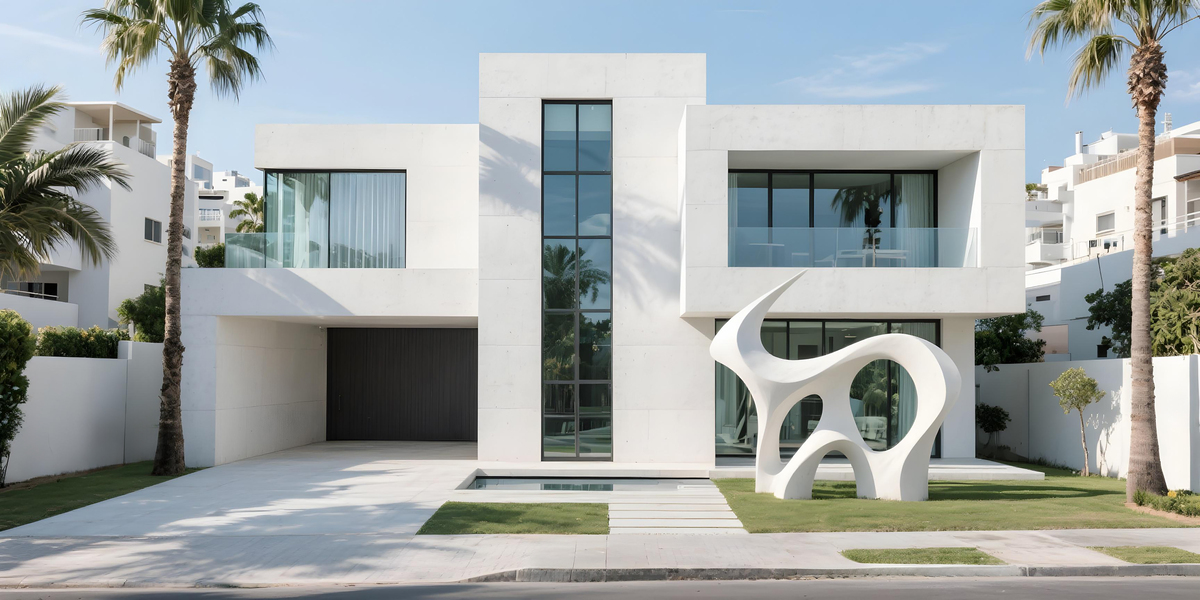
In today's fast-paced world, the concept of a comfortable home is gradually changing. Many people are beginning to realize that a beautiful and functional home does not have to be large. Instead, small homes with minimalist designs are becoming increasingly popular as people embrace a simpler, more ...
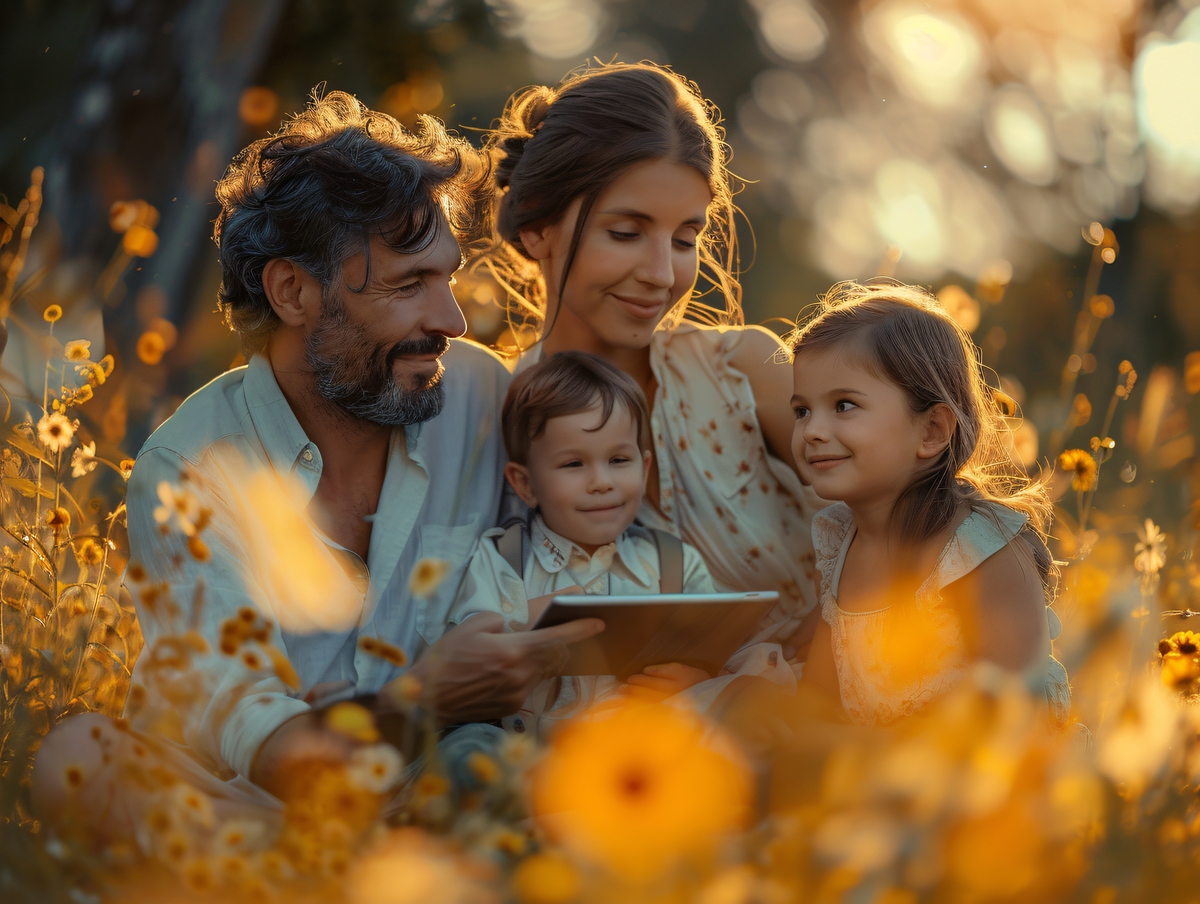
A home is more than just a place to live. It is an environment where children learn, explore, develop relationships, and build the foundation for their future. The residential environment plays an essential role in shaping a child's physical, emotional, social, and cognitive development. Choosing ...

Date: November 11, 2026
Finding the perfect home is one of the most important decisions for a family, especially when raising young children. A home is more than just a place to live; it is where children grow, learn, play, and create precious memories with their loved ones. Therefore, choosing the right home requires care ...
Ala Land Bali — a magical place for the real you
BECOME PART OF THE HISTORY Share your contact details, and our manager will reach out
with full project details