

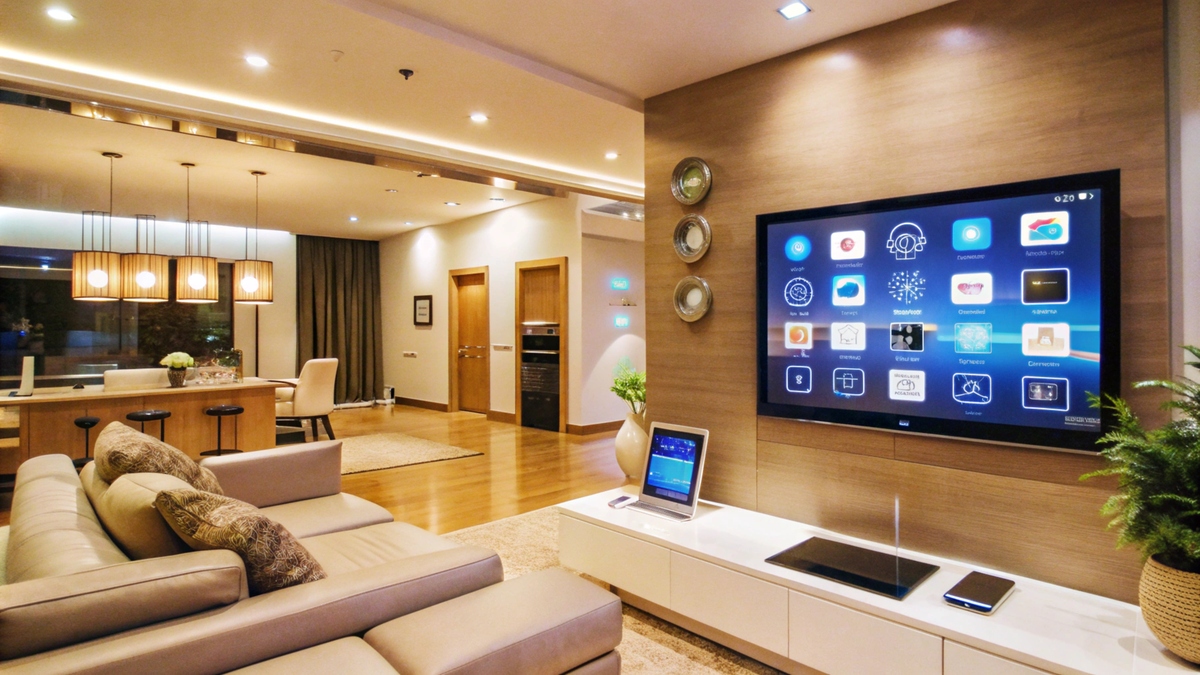
Future Home Design: Minimalist, Multifunctional, and Flexible
As lifestyles continue to evolve in response to rapid technological advancements, urbanization, and shifting social needs, the concept of home design is undergoing a significant transformation. The home of the future is no longer just a place to live it is a dynamic environment that adapts to its occupants. Three key principles define this new approach: minimalism, multifunctionality, and flexibility.
1. Minimalism: Less is More
Minimalist design remains at the core of future homes. It emphasizes simplicity, clean lines, and the efficient use of space. Rather than filling rooms with unnecessary furniture and decoration, minimalist homes focus on essential elements that serve a purpose.
This approach is not only aesthetically pleasing but also practical. With smaller living spaces becoming more common in urban areas, minimalism helps reduce clutter and create a sense of openness. Neutral color palettes, natural lighting, and smart storage solutions are key features that enhance both comfort and functionality. Moreover, minimalism aligns with sustainable living. By consuming less and choosing quality over quantity, homeowners can reduce waste and lower their environmental footprint.
2. Multifunctionality: One Space, Many Uses
In the future, rooms will no longer have a single fixed function. Instead, spaces will be designed to serve multiple purposes throughout the day. For example, a living room may transform into a workspace during the day and a relaxation area in the evening.
Furniture plays a crucial role in this concept. Foldable tables, modular sofas, and hidden storage systems allow homeowners to maximize every square meter. Smart furniture integrated with technology can further enhance usability, such as beds that retract into walls or desks that adjust automatically. This multifunctional approach is particularly important as remote work becomes more common. Homes must now accommodate productivity, leisure, and rest all within the same environment.
3. Flexibility: Adapting to Changing Needs
Flexibility is what truly defines future home design. A flexible home can easily adapt to different life stages, family sizes, and personal preferences. Movable walls, sliding partitions, and modular layouts allow residents to reconfigure spaces as needed. For instance, a large open area can be divided into smaller private rooms or expanded again for social gatherings.
Technology also enhances flexibility. Smart home systems enable users to control lighting, temperature, and even room configurations with ease. As a result, homes become more responsive and personalized. Flexibility ensures that a home remains relevant over time, reducing the need for costly renovations and making it a long-term investment.
The future of home design is centered around efficiency, adaptability, and sustainability. Minimalist aesthetics create calm and order, multifunctional spaces maximize usability, and flexible layouts ensure long-term relevance. As we move forward, homes will increasingly reflect the dynamic nature of modern life offering not just shelter, but a smart, adaptable environment that supports the way we live, work, and grow.
Date: July 01, 2026
When adults search for a new home, they often focus on practical considerations location, price, square footage, or investment value. While these factors are undoubtedly important, children experience a home in a very different way. To them, a house isn't measured by the number of bedrooms or the si ...

Date: July 02, 2026
When people search for a new home, it's easy to be drawn to larger houses with spacious living rooms, extra bedrooms, or beautiful backyards. While size can certainly add comfort, one factor often proves to be far more valuable in the long run: the safety of the neighborhood. A home is not just the ...

Date: July 03, 2026
Choosing a family home is about more than finding enough bedrooms or a convenient location. Parents often wonder whether raising children in an apartment or a house provides the best environment for their growth and happiness. The truth is that both options offer unique advantages, and the ideal cho ...

Date: June 26, 2026
In the real estate industry, closing a deal is often seen as the ultimate goal. However, the most successful real estate professionals understand that the real journey begins after the transaction is complete. Building long-term relationships with clients not only creates repeat business but also ge ...

Date: June 27, 2026
Real estate has long been considered one of the most reliable investment vehicles for building wealth. However, not every property will increase in value at the same rate. Successful investors know that identifying properties with strong appreciation potential requires research, market awareness, an ...
Ala Land Bali — a magical place for the real you
BECOME PART OF THE HISTORY Share your contact details, and our manager will reach out
with full project details