

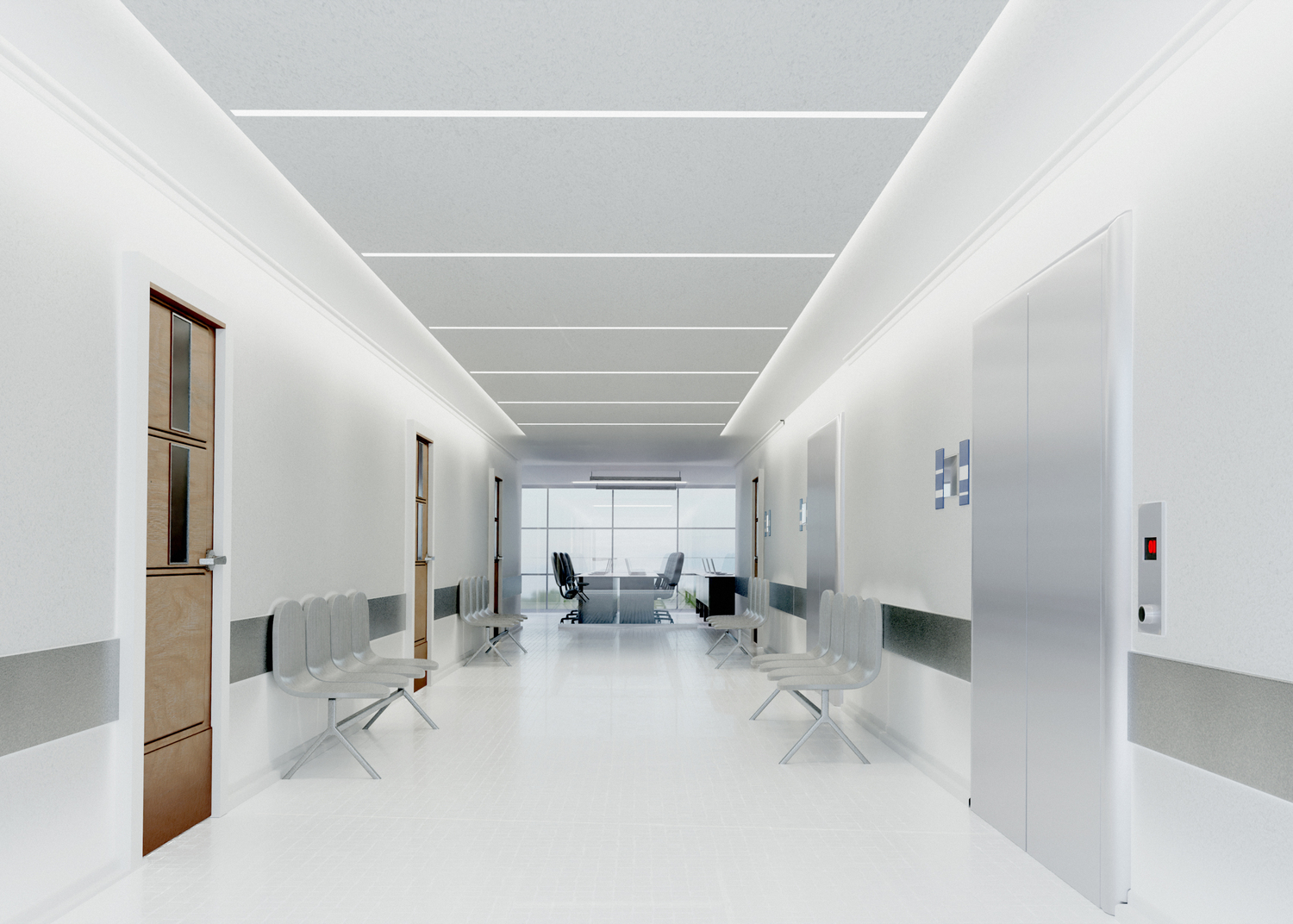
Essential Tips to Consider When Building a Hospital
Building a hospital is a complex project that requires careful planning, strategic investment, and attention to detail. Unlike other types of buildings, hospitals must prioritize patient safety, operational efficiency, and compliance with strict regulations. Here are some key tips to consider when planning and constructing a hospital:
1. Location and Accessibility
The location of the hospital is critical. It should be easily accessible to the community, close to main roads, and supported by reliable infrastructure. Adequate parking spaces and convenient access for ambulances are also essential.
2. Compliance with Health Regulations
Hospitals must follow strict building codes and healthcare regulations. From fire safety standards to infection control guidelines, ensuring compliance with local and international health authorities is a top priority.
3. Efficient Layout and Design
The hospital’s design should promote smooth workflows and minimize patient and staff movement. For example, emergency rooms should be located close to diagnostic areas, operating theaters, and intensive care units. A well-thought-out layout improves efficiency and patient care.
4. Infection Control Measures
Hospital design must integrate effective infection prevention strategies. This includes proper ventilation, isolation rooms, hygienic materials for floors and walls, and adequate handwashing stations. Reducing the risk of cross-contamination is a top priority.
5. Technology Integration
Modern hospitals rely on advanced medical equipment and digital systems. Planning for sufficient space, wiring, and connectivity for diagnostic machines, patient monitoring systems, and hospital management software is essential for long-term functionality.
6. Sustainability and Energy Efficiency
Building a hospital is a long-term investment. Incorporating eco-friendly materials, energy-efficient lighting, and renewable energy systems not only reduces operational costs but also contributes to environmental sustainability.
7. Patient-Centered Design
Hospitals should provide a healing environment for patients. Natural lighting, quiet spaces, comfortable rooms, and family-friendly waiting areas contribute to overall patient well-being. Designing with empathy ensures a positive healthcare experience.
8. Future Expansion Planning
Healthcare needs are constantly evolving. When building a hospital, it’s wise to design with flexibility in mind. Allocating space for future expansions or upgrades will make it easier to adapt to changing medical technologies and community demands.
9. Safety and Security Systems
Hospitals must be equipped with reliable fire detection systems, emergency exits, CCTV surveillance, and secure access control to protect both patients and staff. Safety should never be compromised.
10. Skilled Project Management
Given the complexity of hospital construction, hiring experienced architects, engineers, and project managers is crucial. Their expertise ensures the project is completed on time, within budget, and in compliance with medical standards.
Building a hospital requires more than just construction—it’s about creating a safe, efficient, and patient-friendly environment. By focusing on regulations, design efficiency, infection control, and future needs, you can ensure the hospital will serve the community effectively for decades to come.
Date: July 01, 2026
When adults search for a new home, they often focus on practical considerations location, price, square footage, or investment value. While these factors are undoubtedly important, children experience a home in a very different way. To them, a house isn't measured by the number of bedrooms or the si ...

Date: July 02, 2026
When people search for a new home, it's easy to be drawn to larger houses with spacious living rooms, extra bedrooms, or beautiful backyards. While size can certainly add comfort, one factor often proves to be far more valuable in the long run: the safety of the neighborhood. A home is not just the ...

Date: July 03, 2026
Choosing a family home is about more than finding enough bedrooms or a convenient location. Parents often wonder whether raising children in an apartment or a house provides the best environment for their growth and happiness. The truth is that both options offer unique advantages, and the ideal cho ...

Date: June 26, 2026
In the real estate industry, closing a deal is often seen as the ultimate goal. However, the most successful real estate professionals understand that the real journey begins after the transaction is complete. Building long-term relationships with clients not only creates repeat business but also ge ...

Date: June 27, 2026
Real estate has long been considered one of the most reliable investment vehicles for building wealth. However, not every property will increase in value at the same rate. Successful investors know that identifying properties with strong appreciation potential requires research, market awareness, an ...
Ala Land Bali — a magical place for the real you
BECOME PART OF THE HISTORY Share your contact details, and our manager will reach out
with full project details